Stock market animals are informal nicknames — bulls, bears, wolves, sheep, and more — that traders and financial media use to describe an investor's behaviour, risk appetite, or a specific market condition. There are 16 commonly used terms, and recognising which one describes your own habits is a fast way to spot risky patterns before they cost you money.
Definition
Stock Market Animal: An informal metaphor drawn from an animal's real-world traits and used by traders, analysts, and financial media to describe a specific investing behaviour, personality type, or market trend.
Every trader eventually runs into “bulls,” “bears,” and a whole menagerie of other animal-themed slang. These aren't just colourful nicknames — each one captures a recognisable pattern of behaviour that shows up again and again in Indian and global markets, from the euphoria of a bull run to the panic-selling of a chicken during a correction. Understanding all 16 terms below will help you both decode financial commentary and, more usefully, spot which habits to build on and which to avoid in your own investing.

The 16 Trading Animals, One by One
1. Bulls — The Optimists
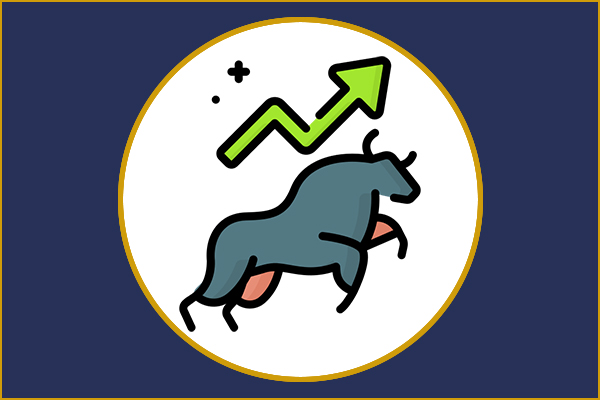
A bull is an investor who believes prices will keep rising and buys accordingly. “Bull market” describes a sustained uptrend, and India has seen several — the mid-2000s pre-GFC rally and the post-pandemic 2020–2021 rally are commonly cited examples. Bulls aren't reckless by definition; the term simply describes directional conviction that prices will climb.
2. Bears — The Pessimists
Bears expect prices to fall and position themselves defensively or short the market. A “bear market” is a prolonged downtrend — the 2008 global financial crisis and the March 2020 COVID crash are the two most-cited bear phases in recent Indian market history. Bears aren't always wrong: healthy scepticism during frothy valuations is a bear-market instinct worth having.
3. Turtles — The Patient Compounders
Turtles trade rarely and think in years, not days. They favour a long-term, buy-and-hold approach — the same mindset behind India's SIP (systematic investment plan) culture, where the goal is compounding, not timing every swing.
4. Rabbits — The Scalpers
Rabbits move fast and hold positions for minutes, not days. They are essentially intraday scalpers chasing small, quick profits and deliberately avoiding overnight risk — a style that in India falls under intraday equity and F&O trading, both subject to SEBI margin and settlement rules.
5. Pigs — The Greedy
A pig abandons risk discipline in pursuit of outsized gains — doubling down, over-leveraging, or ignoring stop-losses because a position “just needs a little more time.” Pigs take on outsized risk for outsized (and often illusory) reward, and they're the archetype SEBI's peak-margin and leverage-limit rules are partly designed to protect against.
6. Chickens — The Risk-Averse
Chickens are so afraid of volatility that they panic-sell at the first sign of trouble, or avoid equities altogether in favour of fixed deposits, PPF, and debt funds. Some caution is healthy; the chicken pattern becomes a problem when fear alone — not analysis — drives every decision.
7. Ostriches — The Avoiders
Ostrich investors metaphorically bury their heads in the sand, ignoring bad news, corporate red flags, or falling prices in the hope that not looking will make the problem go away. This is one of the more dangerous patterns, since it delays action on genuinely deteriorating investments.
8. Sheep — The Herd Followers
Sheep follow the crowd — or a specific guru, influencer, or tip — without independent analysis, typically entering a rally late and exiting a downturn late. This pattern has grown more visible in India alongside social-media-driven “finfluencer” stock tips, which is why SEBI introduced disclosure and registration norms for finfluencers in 2023.
9. Dogs — The Underperformers
“Dogs” are stocks that have fallen out of favour and underperformed the broader market, though some investors deliberately track beaten-down large-caps on the expectation of a recovery. This is distinct from the well-known Western “Dogs of the Dow” strategy, which is a specific dividend-yield strategy rather than a general animal metaphor.
10. Lame Ducks — The Defaulters
A lame duck is a trader who has taken on losses so large they cannot meet their obligations — historically linked to defaults on London Stock Exchange commodity trades in the mid-1700s. In modern markets, the term describes any trader whose losses have made further trading (or repayment) practically impossible.
11. Hawks & Doves — The Policymakers
These terms describe central bankers and policymakers rather than traders. A “hawk” favours tighter policy — higher interest rates to control inflation — while a “dove” favours looser, growth-supportive policy. In India, market commentary uses these terms constantly around the RBI's Monetary Policy Committee (MPC) meetings and repo-rate decisions, since a hawkish or dovish tone directly moves bond yields and equity sentiment.
12. Stags — The IPO Opportunists
A stag applies for shares in an IPO purely to sell on listing day for a quick gain, with no intention of holding long-term. Stag activity is closely tied to India's IPO boom and to “GMP” (grey market premium) chatter — it's worth remembering that GMP is an unofficial, informal indicator quoted in grey markets and is not recognised, published, or endorsed by SEBI or the stock exchanges, so it should never be treated as a guaranteed listing-day outcome.
13. Wolves — The Predators
The wolf is the market's most ruthless archetype — an operator associated with manipulation, aggressive tactics, and disregard for other participants' losses. Jordan Belfort, the stockbroker behind The Wolf of Wall Street, is the classic real-world example. In India, the 1992 securities scam mastermind Harshad Mehta is sometimes loosely grouped with this archetype for his market manipulation tactics — though he is correctly and universally known as the ‘Big Bull of Dalal Street,’ not a ‘wolf,’ since his method was inflating (not preying on) share prices through fraudulent bank receipts.
14. Whales — The Market Movers
Whales are large investors — institutions, promoters, or ultra-high-net-worth individuals — whose buy or sell orders are big enough to move a stock's price on their own. In Indian markets, mutual fund houses, LIC, and FIIs/DIIs regularly act as whales, and tracking their bulk-deal and block-deal disclosures is a common way retail investors gauge institutional sentiment.
15. Sharks — The Opportunists
Sharks are singularly focused on profit — they enter a trade, extract gains, and exit without attachment to the underlying business or a longer-term thesis. Unlike whales, sharks aren't defined by size; they're defined by a purely transactional, in-and-out approach.
16. Dead Cat Bounce — The False Recovery
A dead cat bounce is a short-lived price recovery within a larger downtrend — a brief rally that reverses because the underlying weakness hasn't actually resolved. Relief rallies during the 2008 and 2020 bear phases, before prices resumed falling, are commonly cited examples of the pattern in Indian markets.
Comparison Table: Which Stock Market Animal Are You?
|
Animal |
Core Trait |
Risk Level |
Typical Trigger |
|
Bull |
Expects prices to rise |
Moderate–High |
Positive earnings, strong economic data |
|
Bear |
Expects prices to fall |
Moderate–High |
Weak earnings, macro shocks |
|
Turtle |
Long-term, low-frequency trading |
Low |
None — stays invested through cycles |
|
Rabbit |
Very short holding periods (scalping) |
High |
Intraday volatility |
|
Pig |
Greed-driven, over-leveraged |
Very High |
Chasing bigger gains after early wins |
|
Chicken |
Fear-driven, risk-averse |
Low |
Market volatility or a single loss |
|
Ostrich |
Avoids/ignores bad news |
High (by neglect) |
Deteriorating company fundamentals |
|
Sheep |
Follows the herd or tips blindly |
Moderate–High |
Social media hype, ‘finfluencer’ tips |
|
Dog |
Underperforming, out-of-favour stock |
Varies |
Poor earnings, sector rotation |
|
Lame Duck |
Defaulted on trading obligations |
Very High |
Unmanaged losses, no stop-loss |
|
Hawk / Dove |
Policy stance (not a trader type) |
N/A |
RBI MPC meetings, inflation data |
|
Stag |
Applies for IPOs for listing gains only |
Moderate |
Strong IPO demand / GMP chatter |
|
Wolf |
Manipulative, predatory operator |
Extreme / Illegal |
Regulatory blind spots |
|
Whale |
Large enough to move prices alone |
Varies |
Institutional allocation decisions |
|
Shark |
Purely profit-focused, in-and-out |
Moderate–High |
Short-term mispricing |
|
Dead Cat Bounce |
False recovery within a downtrend |
N/A (a pattern, not a trader) |
Oversold conditions after a crash |
Conclusion
It might be entertaining to relate different investment philosophies to the traits of various share market animals. In the stock market, each animal has a distinctive approach to investing. Some develop into bulls over time after beginning as sheep or chickens. When approaching retirement age, a bull might change into a chicken and cling to debt investments, and so on. What type of share market beast you want to be is entirely up to you. Invest wisely!

DISCLAIMER: This blog is NOT any buy or sell recommendation. No investment or trading advice is given. The content is purely for educational and information purposes only. Always consult your eligible financial advisor for investment-related decisions.